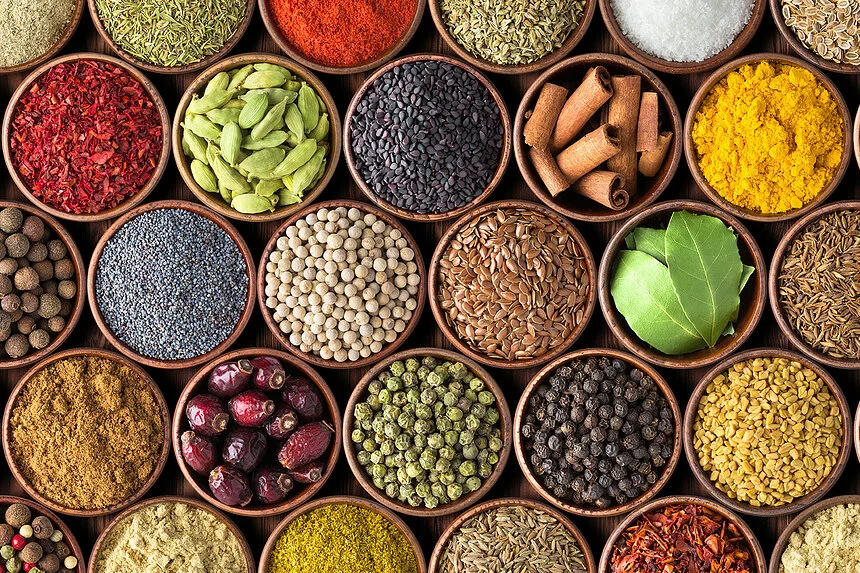
India, often referred to as the land of spices, has a rich and diverse culinary heritage that has been shaped by centuries of tradition, culture, and a deep connection to its spices. From the fiery heat of red chili to the warm, earthy flavors of cumin, Indian spices are the soul of the nation’s cuisine. They not only enhance the flavor of every dish but also offer a wide array of health benefits. In this blog, we’ll explore the magic behind Indian spices, their significance in Indian cuisine, and how they elevate every meal to a new level of aromatic delight.
The Rich Heritage of Indian Spices
Indian cuisine is renowned for its use of an impressive variety of spices, which play a crucial role in creating the distinct, complex flavors that are synonymous with Indian dishes. From the traditional garam masala to the tangy amchur (dried mango powder), the spices used in Indian cooking are not just about flavor; they are deeply ingrained in the culture, history, and even medicinal practices of India.
The origins of Indian spices can be traced back thousands of years. Ancient trade routes, such as the Silk Road, helped spread the knowledge of these spices to the rest of the world. Today, India continues to be one of the largest producers and exporters of spices globally, with regions like Kerala, Gujarat, and Tamil Nadu known for their rich spice cultivation.
Popular Indian Spices and Their Unique Flavors
Indian spices are known for their distinct and varied flavors, ranging from sweet to spicy, tangy to savory. Some of the most popular spices used in Indian cooking include:
- Cumin (Jeera)
A staple in Indian kitchens, cumin has a warm, earthy flavor and is often used as the base for many spice blends. It can be used whole or ground and is commonly found in curries, rice dishes, and dals. - Coriander (Dhania)
With a citrusy, slightly sweet flavor, coriander seeds are widely used in Indian curries and chutneys. Its leaves, known as cilantro, are also a popular garnish. - Turmeric (Haldi)
Known for its bright yellow color and earthy flavor, turmeric is an essential ingredient in Indian cooking. It has numerous health benefits, including anti-inflammatory properties, making it a key spice in both food and traditional medicine. - Mustard Seeds (Sarson)
Mustard seeds add a mild bitterness and a slight crunch when used in tempering. They are commonly used in curries, pickles, and vegetable dishes. - Fenugreek (Methi)
Fenugreek seeds have a slightly bitter taste but are packed with flavor. They are commonly used in pickles, dals, and even in spice blends like panch phoron. - Red Chili Powder (Lal Mirch)
Red chili powder is the go-to spice for adding heat to Indian dishes. It varies in intensity, from mildly spicy to extremely hot, and is essential in curries, gravies, and even snacks like chaat. - Cardamom (Elaichi)
Cardamom is known for its sweet, floral aroma and flavor. It is often used in desserts, teas, and even savory dishes like biryanis to add a subtle warmth. - Cloves (Laung)
Cloves have a strong, pungent flavor and are typically used in whole form to infuse dishes with their distinctive aroma. They are key to spice blends like garam masala. - Asafoetida (Hing)
Asafoetida is used in small quantities to impart a pungent, savory flavor to dishes. It’s commonly used in vegetarian dishes, especially in lentil-based curries and pickles.
How Indian Spices Elevate Every Dish
Indian spices are the cornerstone of the nation’s vibrant cuisine, infusing every dish with depth, complexity, and layers of flavor. Here’s how they enhance your meals:
- Flavor Complexity
The combination of different spices creates an intricate flavor profile, ensuring that each bite is unique. Spices like cumin, coriander, and turmeric blend together to form the base of many curries, while additional spices like cinnamon, cloves, and cardamom can add warmth, sweetness, or depth. - Aromatic Appeal
The aroma of Indian spices is as crucial as their flavor. When spices like mustard seeds, cumin, or cinnamon are tempered in hot oil, their fragrance fills the air, heightening the anticipation of the meal. Spices like cardamom and cloves also add a soothing, fragrant element to both savory and sweet dishes. - Health Benefits
Beyond flavor, Indian spices are packed with health benefits. Turmeric is a well-known anti-inflammatory, while cumin aids digestion and coriander is a detoxifying agent. Many spices also have antioxidant properties, helping to improve overall health while adding flavor to food. - Cultural Significance
Indian spices have always played a key role in the country’s cultural practices. Spices are often used in religious rituals, festivals, and even in Ayurvedic medicine, highlighting their deep cultural connection.
Using Indian Spices in Your Kitchen
Using Indian spices in your kitchen may seem daunting, but once you familiarize yourself with the basics, it’s an easy and enjoyable way to elevate your cooking. Here are a few tips for incorporating Indian spices into your meals:
- Start with Basics: Begin with common spices like cumin, coriander, turmeric, and red chili powder. These can form the base of many dishes.
- Tempering Spices: Many Indian dishes begin with tempering whole spices in hot oil to release their full flavor. This process is known as tadka or chhonk and is commonly used for dals, curries, and rice dishes.
- Spice Blends: Prepare your own spice blends, such as garam masala or curry powder, to have on hand for quick meals. These blends can be used in various dishes to bring out a burst of flavor.
- Experiment with Regional Dishes: Indian cuisine is incredibly diverse, so try cooking regional dishes to get a taste of different spice combinations and their unique flavors.
Conclusion
Indian spices are not just ingredients; they are the heart and soul of Indian cuisine. From adding bold flavors to enhancing aromas, these spices play a crucial role in creating the authentic taste and essence of India. Whether you’re cooking a traditional curry, preparing a fragrant biryani, or simply adding a touch of spice to your everyday meals, Indian spices bring warmth, depth, and complexity to any dish. Embrace the rich heritage of Indian spices and let them transform your cooking into a flavorful journey.